
Working from home has evolved from a temporary necessity into a permanent fixture of the modern professional landscape. By 2026, the challenge is no longer just about having a reliable internet connection; it is about mastering your environment, your energy, and your focus. If you find yourself struggling to maintain momentum or feeling that the lines between "home" and "office" have blurred into a state of constant, low-grade stress, you are not alone.
Productivity is not about working longer hours or checking off an infinite list of tasks. Instead, true efficiency in a home environment is a result of intentional habits that protect your mental energy. Whether you are a remote employee, a freelancer, or a business owner, adopting a structured approach will help you reclaim your time and achieve a sense of accomplishment by the end of every day.
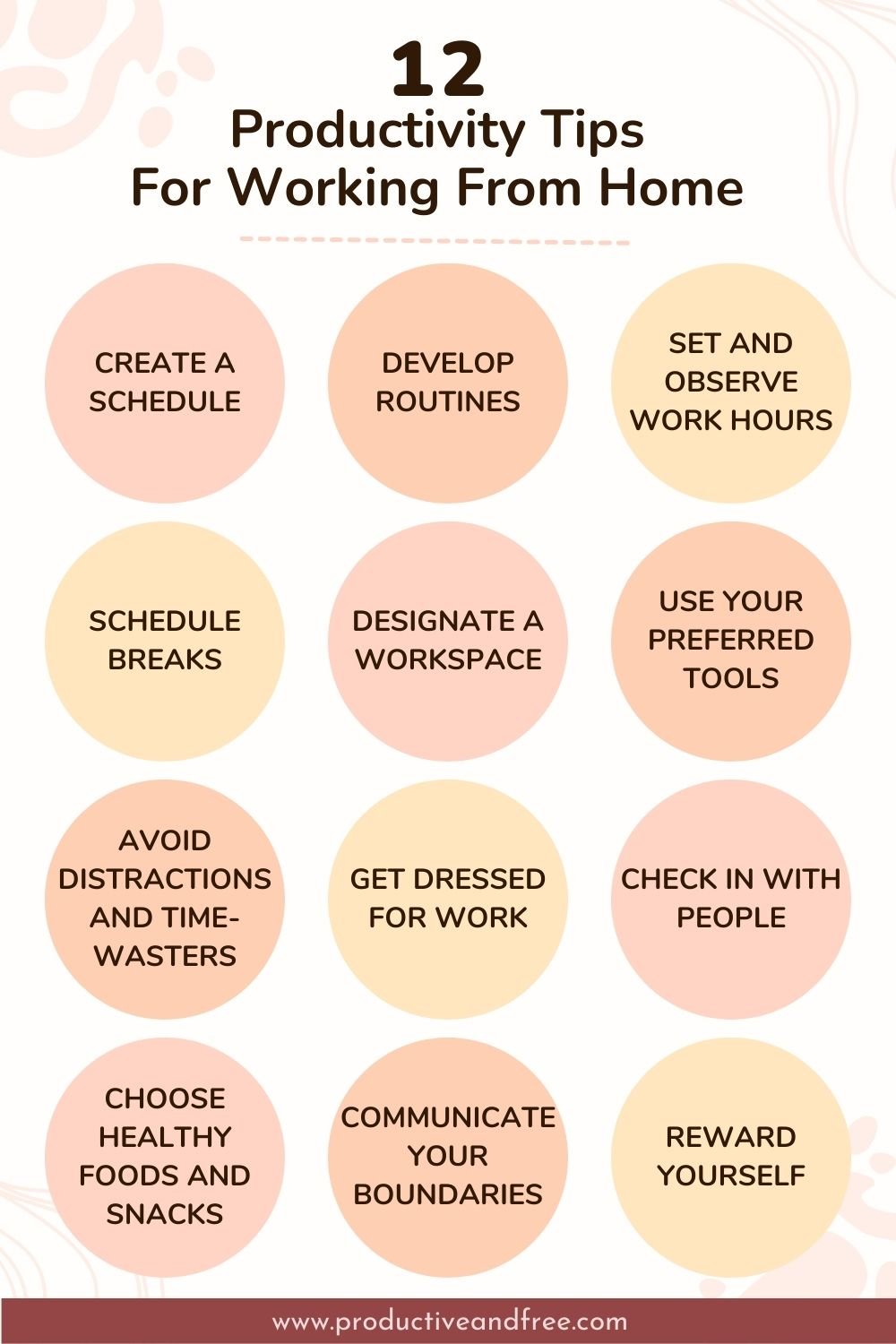
1. Optimize Your Physical Workspace
Your environment dictates your mindset. If you work from your couch or your bed, your brain never fully switches into "work mode," leading to a persistent feeling of distraction and lethargy.
Create a Dedicated Sanctuary
You don’t need an entire office suite to be productive. You simply need a dedicated space that your brain associates exclusively with productivity. Once you step into this area, your mind should recognize that it is time to focus. Keep this space organized, as a cluttered environment often leads to a cluttered, anxious mind.
Ergonomics Matter
By 2026, we understand that physical comfort is the foundation of high-level output. If you are hunched over a laptop, you will tire out faster. Invest in a proper chair, ensure your monitor is at eye level, and keep your frequently used items within reach. A comfortable body allows for a longer, more sustainable focus period.
2. Master Your Morning Routine
How you start your day often determines how you finish it. Many people sabotage their own productivity by immediately reaching for their phones to check emails or social media.
The "No-Phone" First Hour
Resist the urge to jump into reactive tasks. When you start your day by responding to others' needs, you lose control of your own agenda. Spend the first hour of your morning on proactive tasks—planning, deep thinking, or physical movement. This helps you establish a sense of agency over your time.
Align Energy with Tasks
Do you feel most alert at 8:00 AM or 10:00 AM? Track your energy levels for a week. Schedule your most demanding, cognitively expensive tasks for your peak energy window. Save the "busy work"—like responding to routine emails or updating spreadsheets—for when your energy naturally dips in the afternoon.
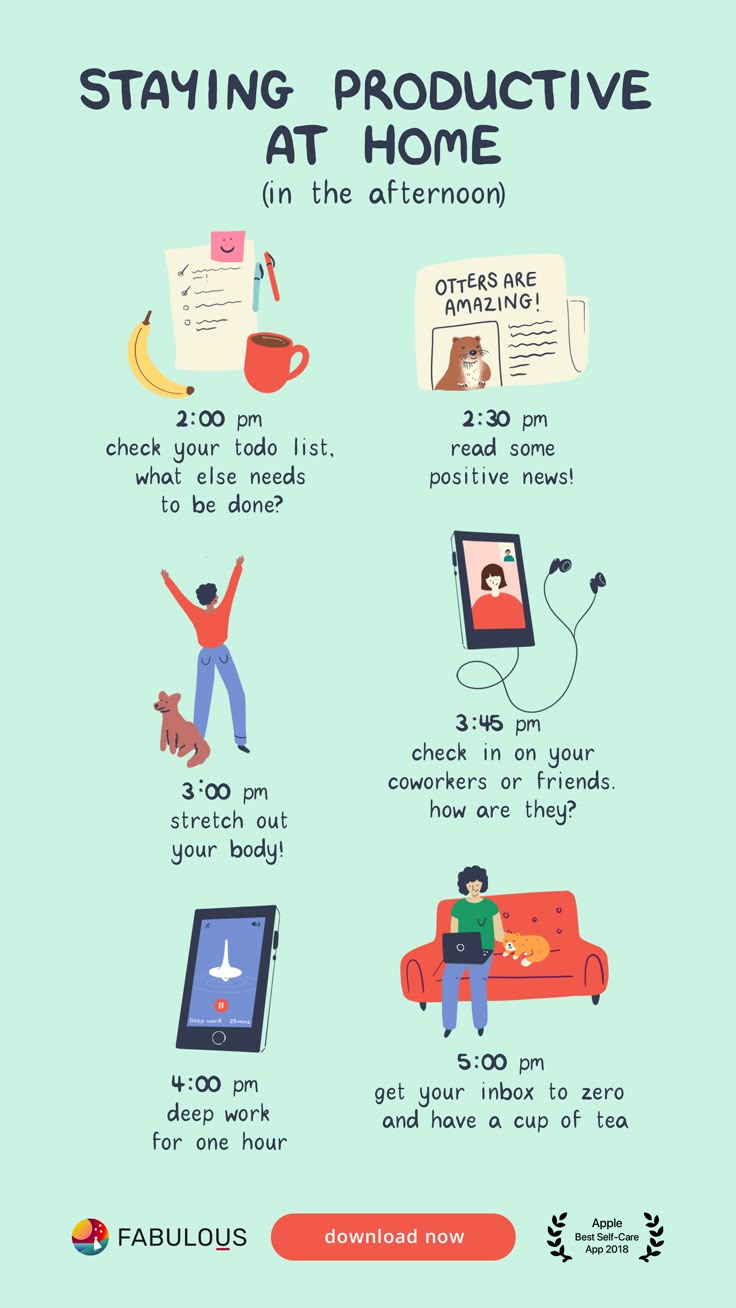
3. Implement Strategic Time Management
In an office, meetings and colleagues provide natural pacing. At home, you must become your own project manager. Without clear structures, hours can slip away into the "procrastination trap."
The Power of Task Batching
Multitasking is a myth that kills your efficiency. Instead, use task batching. Group similar activities together—such as making all your phone calls in one block, or handling all administrative tasks in another. This reduces the mental "context switching" cost that occurs when you jump between unrelated tasks.
Use the Eisenhower Matrix
Not every task is created equal. Use the Eisenhower Matrix to categorize your to-do list:
- Urgent and Important: Do these first.
- Important, Not Urgent: Schedule these to prevent them from becoming urgent.
- Urgent, Not Important: Delegate or automate these.
- Neither: Eliminate these from your schedule entirely.
4. Protect Your Deep Work
Distractions are the greatest enemy of remote productivity. From domestic chores to digital notifications, the home is full of interruptions.
Muting the Noise
If you are working on a project that requires deep focus, mute all non-essential notifications. If you need to, go "offline" for 90-minute intervals. The constant pings from Slack, email, or social media fragment your attention, making it nearly impossible to enter a "flow state."
The 5-Minute Rule
If you feel yourself procrastinating on a task, tell yourself you will only do it for five minutes. Often, the hardest part is simply starting. Once you break that initial barrier, you will likely find it easier to keep going. This is a simple but powerful psychological hack for overcoming the resistance to starting big projects.
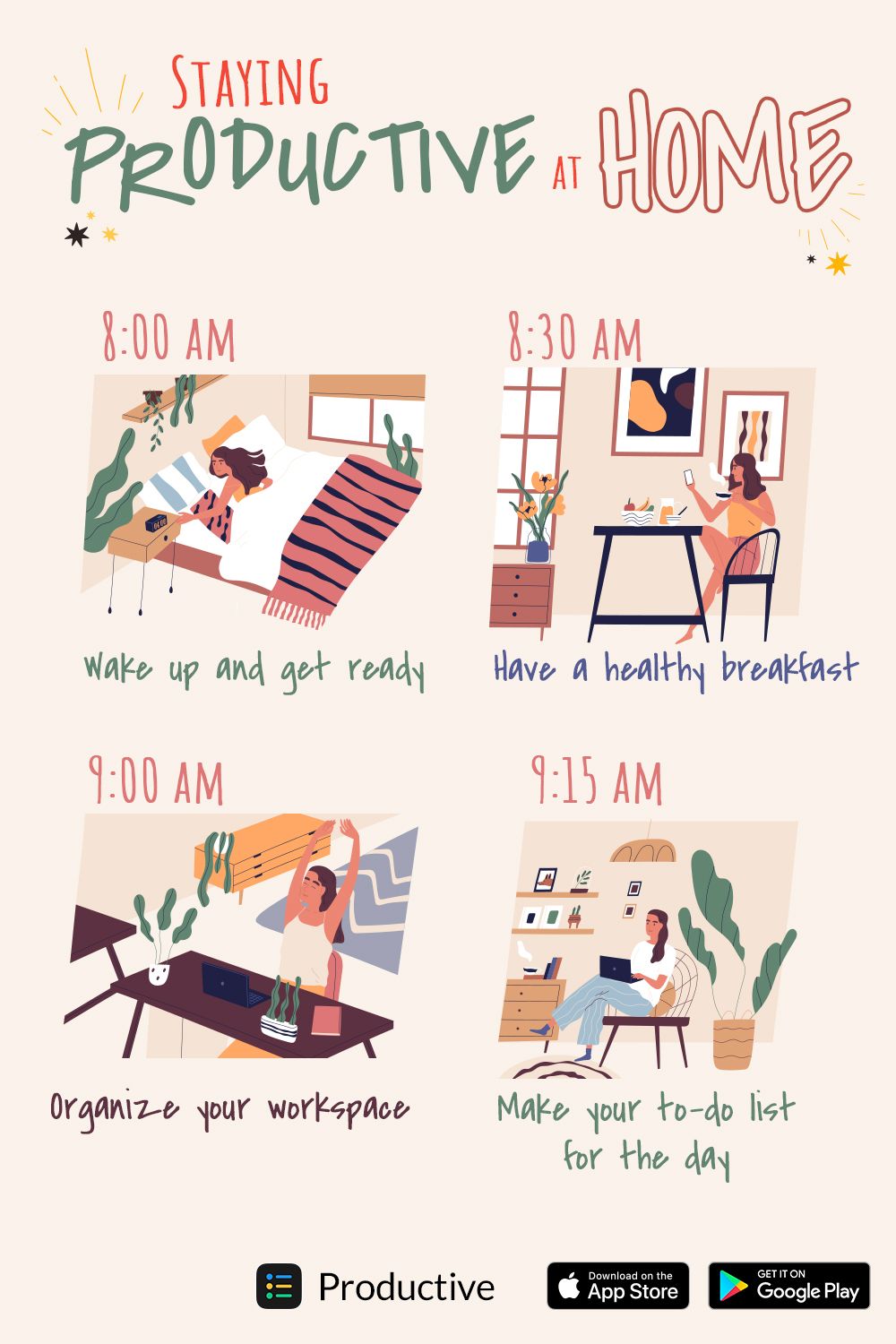
5. Prioritize Wellbeing to Sustain Performance
Productivity is not a sprint; it is a marathon. If you ignore your physical and mental health, your output will eventually collapse due to burnout.
The Importance of Movement
Studies consistently show that physical activity boosts cognitive function. Even a 10-minute walk or a quick stretching session can reset your focus. Don't wait until the end of the day to move your body; integrate movement breaks throughout your schedule to maintain high energy levels.
Set Firm Boundaries
At home, work can easily bleed into your personal time. Establish a "shutdown ritual" to signal to your brain that the workday is over. This might be closing your laptop, clearing your desk, or changing your clothes. By explicitly marking the end of your workday, you give yourself permission to fully recharge for the next morning.
6. The Science of Small Gains
As we move through 2026, the trend in productivity is moving away from "hacks" and toward sustainable systems. James Clear’s concept of atomic habits—small, easy changes that compound over time—is the gold standard for long-term success.
- Don't try to change everything at once. Pick one or two habits from this list and practice them for two weeks.
- Track your progress. Use a digital or physical habit tracker to keep yourself accountable.
- Reward your consistency. Celebrating small wins keeps the dopamine loop active, making it easier to stick to your new routines.
7. Tackling Common Challenges
Even with the best intentions, remote workers face unique obstacles. Let’s address how to navigate them effectively.
Dealing with Loneliness
Remote work can be isolating. If you find your motivation waning, reach out to a colleague for a quick video chat or join a virtual coworking group. Human connection is not a distraction; it is a necessary component of professional well-being.
Managing Household Interruptions
If you live with others, establish clear signals for when you are "in the zone." A pair of headphones or a closed door can serve as a non-verbal "do not disturb" sign. Communication is key here; inform your family or housemates about your focus blocks so they understand when you need total concentration.
8. Frequently Asked Questions (FAQ)
Q: How do I stay motivated when working from home alone?
A: Motivation is driven by clarity. Break your large projects into small, visible wins. Seeing yourself make progress on meaningful work is the best antidote to the "lost" feeling of remote work.
Q: Is it better to start with the hardest task or the easiest?
A: Generally, starting with your toughest task is recommended. Your willpower is a finite resource that is highest at the beginning of the day. Completing a difficult task early creates a positive feedback loop that carries you through the rest of the day.
Q: How many hours should I actually work?
A: Focus on output rather than hours. The goal is efficiency. If you can complete your high-value tasks in six hours of deep work, you will be more productive than someone who "works" for ten hours while constantly distracted.
Q: What if I have a bad day?
A: It happens to everyone. Do not let one unproductive day turn into a week. Use it as data: reflect on what distracted you and adjust your environment or schedule for the next day. Resilience is a core productivity skill.
Conclusion
Staying productive at home in 2026 is about more than just managing a to-do list; it’s about designing a life that supports your goals. By creating a dedicated workspace, protecting your energy, and building small, consistent habits, you can transform your home into a powerhouse of efficiency. Remember, the goal is not to be a machine—it is to be a person who works effectively, stays healthy, and finds genuine satisfaction in their daily accomplishments. Start small, stay consistent, and watch how these tiny gains compound into significant results.
Referencias
- Asana — How to Be Productive at Home: 11 Tips for Remote Work, 2025
- Athena — 10 daily productive habits that drive maximum efficiency, 2025
- wikiHow — 13 Ways to Develop Productive Habits, 2025
- Superhuman Blog — 33 habits for productivity, 2023
- Apploye — How to Be Productive at Home: 13 Vetted Tips from Pros, 2025
- Asana — How to be more productive: 13 tips to practice today, 2026